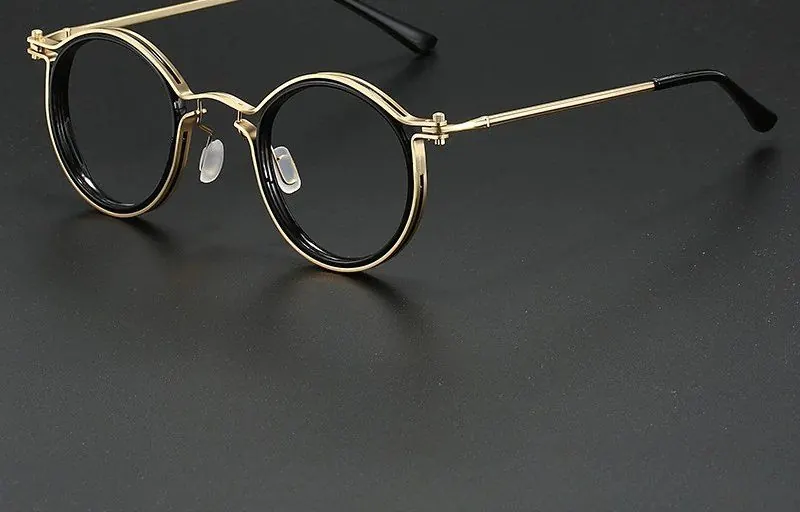
Styles, Frames & Face Shapes
Oval blue light glasses styling
Quick answer
Oval blue light glasses are the gentlest frame shape: a soft, slightly horizontal lens with no corners. They suit square, rectangular and strong-featured faces, look understated at work and on camera, and are the safest choice if you want glasses that blend in rather than make a statement. Colour and material give them character.
What makes an oval frame different from a round one?
An oval frame is wider than it is tall, while a round frame is close to a circle. That small change keeps the softness of a curve but adds width, which balances most faces more easily.
Think of an oval as a round frame at half the volume. It still has no hard corners, so it never looks severe, but because it is stretched horizontally it follows the natural line of your brow and cheekbones rather than sitting on the face as a separate shape. That is why so many everyday desk frames are ovals or near-ovals: they look like glasses rather than like a style decision. If a round frame feels like more of a statement than you want, an oval is the natural next step.
Who do oval glasses suit?
Oval frames suit square and rectangular faces best, along with anyone who has strong features such as a prominent nose, a heavy brow or a defined jaw.
The contrast principle is at work again. A curved lens softens straight lines, so a square jaw or a long rectangular face looks more balanced behind an oval. Strong features benefit for a different reason: an oval does not compete with them. Very round faces are the harder fit, because a face with few angles and a frame with none give each other nothing to push against. Oval faces, as with most shapes, can wear them without much thought.
- Square faces: softens a broad, defined jaw
- Rectangular or long faces: adds gentle width
- Strong features: sits alongside them without competing
- Oval faces: an easy, balanced match
- Round faces: workable, but angular frames add more definition
When is an understated frame the right choice?
An oval is the right choice when you want your glasses to be a background element rather than the first thing people notice.
That brief suits a lot of situations. Client meetings, interviews, back-to-back video calls and anyone who already wears bold clothes or jewellery and does not want the frame fighting for attention. It also suits people buying their first pair of non-prescription screen glasses who are not yet sure how they feel about wearing frames at all. The honest trade-off is that ovals are rarely the frame anyone compliments. For many buyers that is exactly the point.
How do you stop oval glasses looking dated?
Choose a slightly deeper lens and a frame with a bit of character in colour or material. Very shallow, thin ovals are what make the shape look like it belongs to another decade.
Lens depth is the key measurement to watch. A shallow oval sits in a thin band across the face and can read as old-fashioned, while a deeper oval covers a little more of the area under the eye and looks current. Material carries the rest. A warm tortoiseshell or a slim gold metal gives an oval something to say; flat, dull black plastic is the shape at its most anonymous. A keyhole bridge or a subtle detail at the hinge also lifts a simple oval without making it loud.
- Pick a deeper lens over a very shallow one
- Let colour or pattern add interest
- Look for small details at the bridge or hinge
- Avoid thin, flat black ovals if you want a modern look
What colours suit oval frames?
Tortoiseshell, warm browns and soft metals suit ovals best, because a quiet shape benefits from a colour with some depth.
Tortoiseshell adds pattern and warmth, which makes it the most popular choice for this shape and the easiest to wear every day. Olive, brown and honey tones are similarly warm and flatter most skin tones. Gold and rose-gold metals keep the frame light and pair well with jewellery, while silver and gunmetal read cooler and more businesslike. Clear frames turn an oval into something close to invisible, which suits people who want the lens without the look. You can compare a few in the tortoiseshell collection.
How should oval glasses fit?
An oval frame should be about as wide as your face at the temples, with your eyes sitting near the centre of each lens and the top rim close to your brow line.
Because ovals are horizontal, the width check matters more than it does for a round. A frame that is too narrow pinches at the temples and makes the face look wider; one that is too wide overhangs and looks borrowed. The bottom of the lens should clear your cheeks when you smile, and the arms should run straight back to your ears without bowing out. If you wear your glasses for long stretches at a screen, a lighter frame is worth prioritising over a heavier acetate.
Oval, round or something softer: how to decide
If you want softness and minimal fuss, choose an oval. If you want a little more personality, choose a round. If you have a round face and want definition, look at squares and rectangles instead.
Many people end up owning two pairs: a quiet oval for work and a more characterful frame for evenings. If you cannot decide which shape suits you, trying them on is far quicker than reading about them. Our lenses filter blue light from screens and cut glare whichever frame you pick, and orders over £20 ship free across the UK.
One practical tip before you order: look at a photo of yourself from the front and trace the outline of your jaw and forehead with a finger. If what you trace is mostly straight lines and corners, an oval will soften it nicely. If it is mostly curves, you may prefer the definition of a square. Either way, our 30-day money-back guarantee with free returns means a wrong guess costs you nothing but a trip to the post office.
Try an oval next to a round with Home Try-On: up to four frames, seven days, free. Start with the oval frames collection or the softer shapes in rounds, and see our frame shapes and face shapes guide for how every shape compares.
Frequently asked
What is the difference between round and oval glasses?
An oval frame is wider than it is tall, while a round frame is close to a circle. Ovals look calmer and balance a face more easily; rounds have more personality.
What face shape suits oval glasses?
Square and rectangular faces suit oval glasses best, because the curve softens straight lines. Oval faces and people with strong features also wear them well.
Do oval glasses suit a round face?
They can, but an angular frame such as a square or rectangle usually gives a round face more definition. If you prefer ovals, choose a darker colour and a deeper lens.
Are oval glasses in style?
Oval frames are a long-running classic rather than a trend. A slightly deeper lens in tortoiseshell or slim metal keeps them looking current.
Are oval glasses good for work?
Yes. They are one of the most understated shapes, which makes them easy to wear in meetings, interviews and on video calls without the frame drawing attention.
Mentioned above
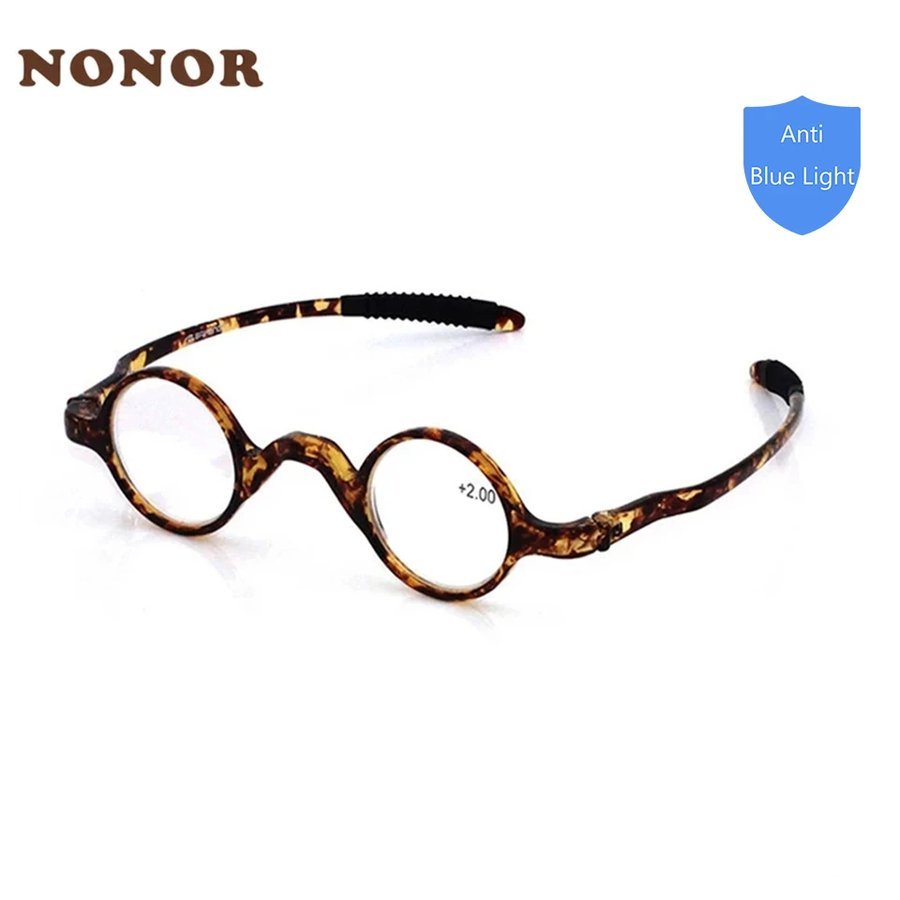
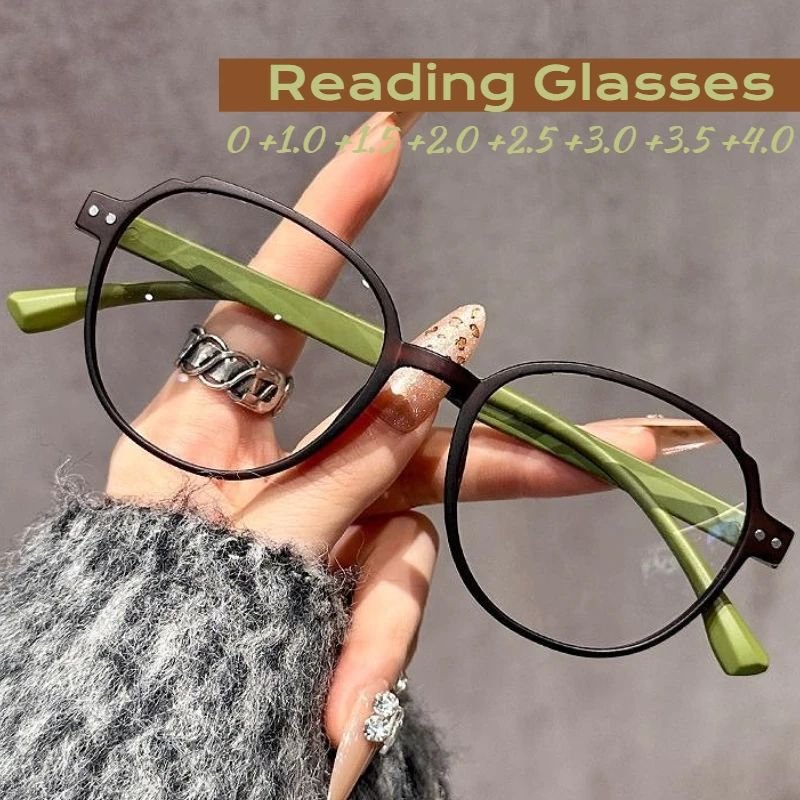
Frames from this guide

Styles, Frames & Face Shapes
More from this topic
Round blue light glasses: who they suit
Round blue light glasses suit faces with defined angles. Square, rectangular and heart-shaped faces get the most from.
Read Styles, Frames & Face ShapesCat-eye blue light glasses
Cat-eye blue light glasses lift at the outer corner, drawing attention upward and adding definition at the cheekbone.
Read Styles, Frames & Face ShapesBlue light glasses for small and narrow faces: a UK fit guide
For a small or narrow face, choose blue light glasses with a smaller total width, a lens that suits your proportions.
Read