For Gamers & Gaming Culture
Best blue light glasses for gaming UK: what to buy
Quick answer
The best blue light glasses for gaming in the UK are light frames with slim, flat arms that sit under a headset without pinching. Choose clear lenses for competitive play and streaming, amber for dim late-night sessions, and an anti-glare coating either way. Fit matters far more than brand or price.
What makes blue light glasses good for gaming?
Comfort under a headset, a lens that suits the games you play, and a frame you actually like the look of. Get those three right and the pair gets worn every session; get one wrong and it ends up in a drawer by the end of the month.
The lens side is fairly simple. Our lenses filter blue light from screens, and the anti-glare coating cuts glare and reflections from lamps, windows and RGB strips. That is the honest extent of what any lens does, and it is the same broad job whether a pair costs a tenner or several times that. No lens will tighten your aim or speed up your reactions, whatever the packaging says.
The frame is where pairs really differ, and it is the part most buyers underthink. Weight, arm thickness, the shape of the bridge and how the hinges hold up decide whether you still want the glasses on at the end of a long night. So this guide spends most of its time there. For the wider background, the UK gamer's guide to gaming glasses goes deeper.
Will blue light glasses fit under a gaming headset?
Yes, if the arms are slim and flat. Thick, chunky arms are what cause trouble, because the earcup presses them into the side of your head and an hour later you notice a pinch you cannot ignore.
Over-ear headsets with a firm clamp are the hardest test. Before you buy, look at the arms side-on in the product photos. A thin, straight profile slides between the cushion and your temple, while a wide acetate arm lifts the earcup seal and pushes on the frame at the same time.
- Slim, flat arms that sit under the earcup cushion
- Spring hinges that flex a little when the headset clamps down
- A bridge or nose pads that grip, so the frame does not slide when you lean in
- A light overall frame, because weight on the nose adds up over hours
- Gently curved arm tips rather than tight hooks behind the ear
Quick test at home: put the glasses on, then the headset, and wear both for a full match before deciding. Anything that bothers you in twenty minutes will bother you far more by midnight.
Clear or amber lenses: which is best for gaming?
Clear lenses for competitive games and streaming; amber for dim-room, late-night sessions where exact colour does not matter. Plenty of regular players end up owning one of each.
Clear lenses keep colours looking as the developers intended, which matters when you are separating a player model from the scenery or reading a colour-coded loot drop. They also look normal on a webcam and at work the next morning, so a clear pair covers the most ground if you only buy one.
Amber and orange lenses filter more blue light from screens than clear ones and warm the whole picture noticeably. Whites go cream and blues go muted. In a bright room that looks odd, but in a dark one many players find it gentler for a slow story game. Red lenses go further again. Compare the options in the tinted collection.
Which frame shape and colour suits gamers?
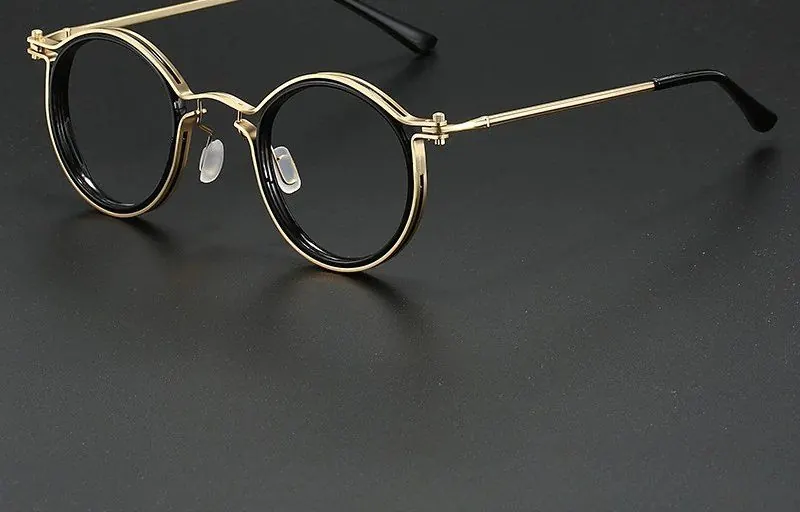
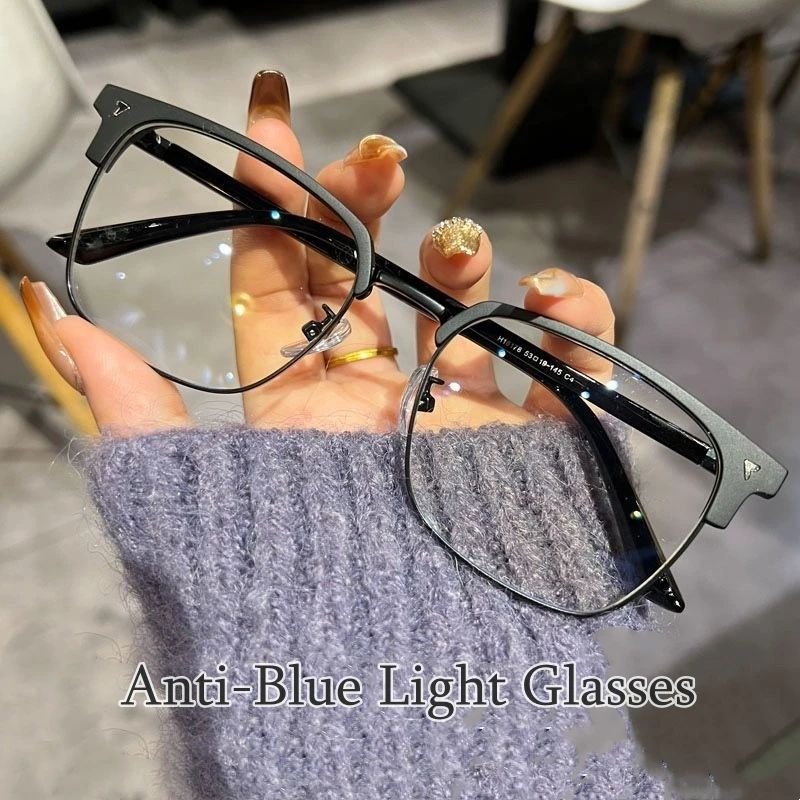
A matte black square is the safest all-rounder: it suits most faces, reads clearly on camera and looks like ordinary glasses away from the desk. From there, pick by face shape and how much personality you want in the frame.
As a loose rule, contrast works. Angular frames balance softer, rounder faces; rounds and browlines soften a strong jawline. Tortoiseshell is warmer than black and less stark on lighter skin tones, while translucent grey frames look modern under RGB lighting without shouting about it.
Think about where else the pair will go. Most people who buy gaming glasses end up wearing them for work calls, browsing and the evening telly as well, so a frame you would be happy to wear to the shops gets far more use than a novelty one.
How much should you spend on gaming glasses?
Less than you might think. Our headset-friendly frames start at £9.99, our amber gaming pair is £18.99 and the strongest red tints are under £40. Beyond that, extra money mostly buys brand name and frame finish rather than a different kind of lens.
Where spending a bit more can make sense is build: sturdier hinges, a hard case in the box, a frame that holds its shape if it gets knocked off the desk. If you are rough with kit, favour those details. If the glasses live next to your keyboard and go on for a few evenings a week, a well-made budget frame will do the job.
Whatever you pay, check the returns policy. A pair that does not fit is poor value at any price, and a free returns window takes the risk out of trying one.
Our shortlist by type of player
If you want a starting point, these are the frames we would point different players towards. Each one has lenses that filter blue light from screens and cut glare.
The full gaming range has more shapes if none of those feel like you.
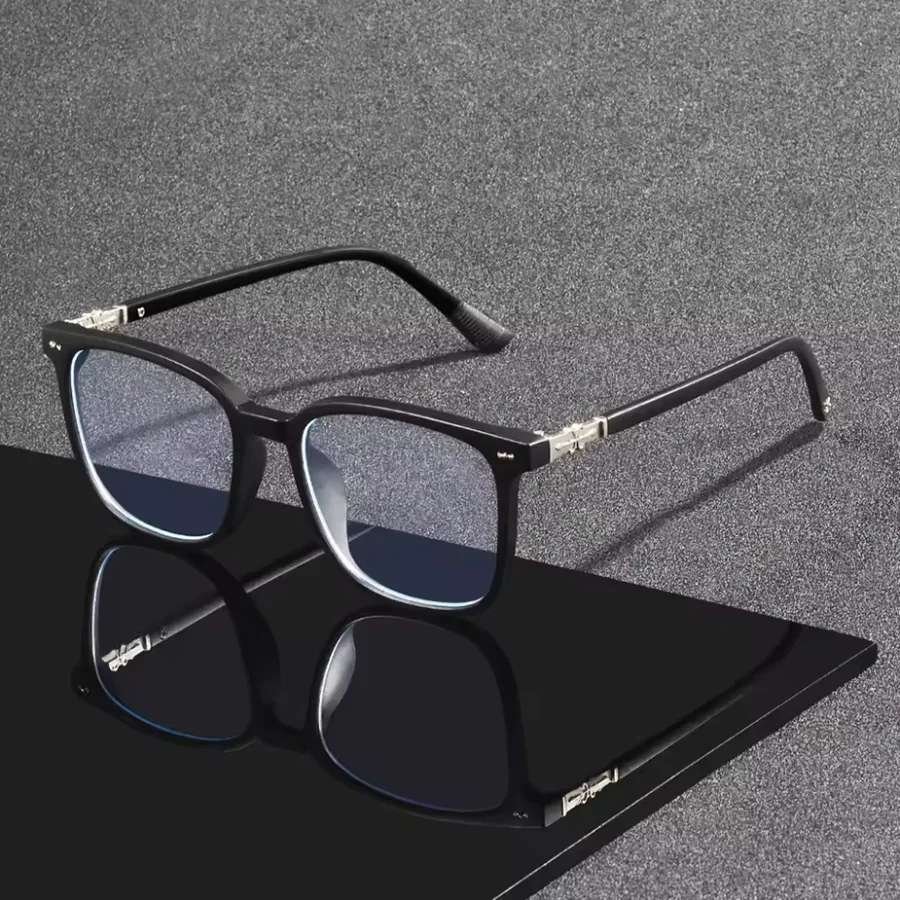
- Competitive and all-round: the Midnight Square, a matte black square with clear lenses and slim arms
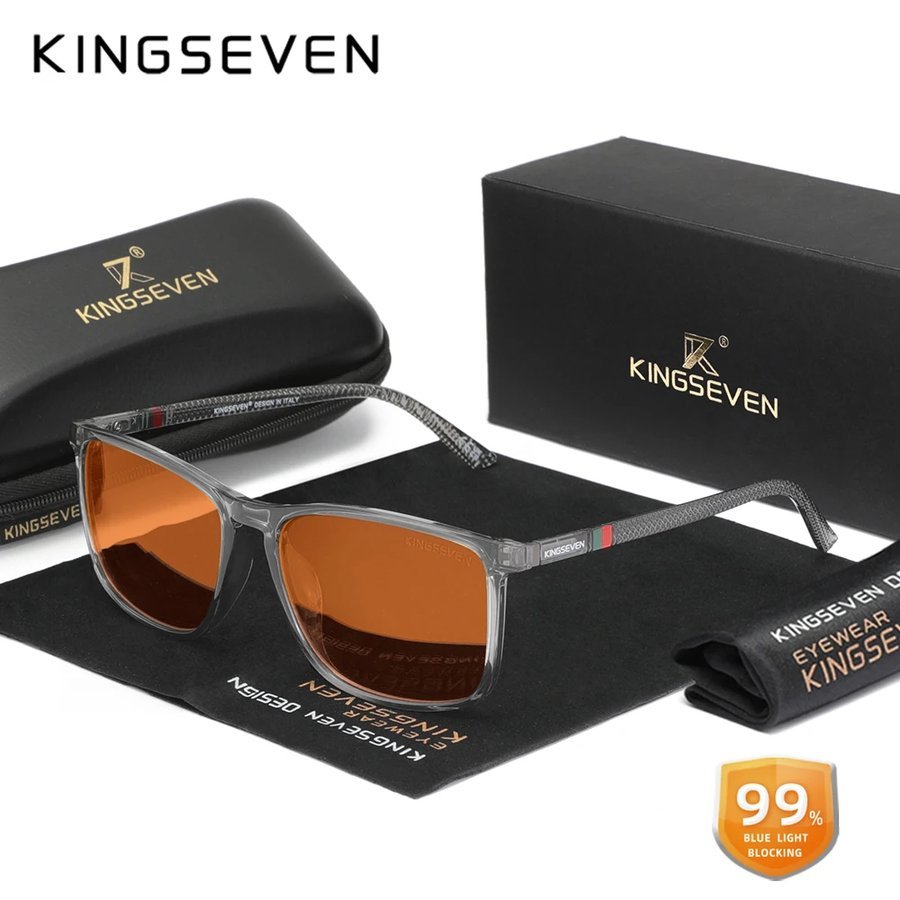
- Late-night sessions: the Amber Lens Gaming Glasses, with textured arms that stay put under a headset
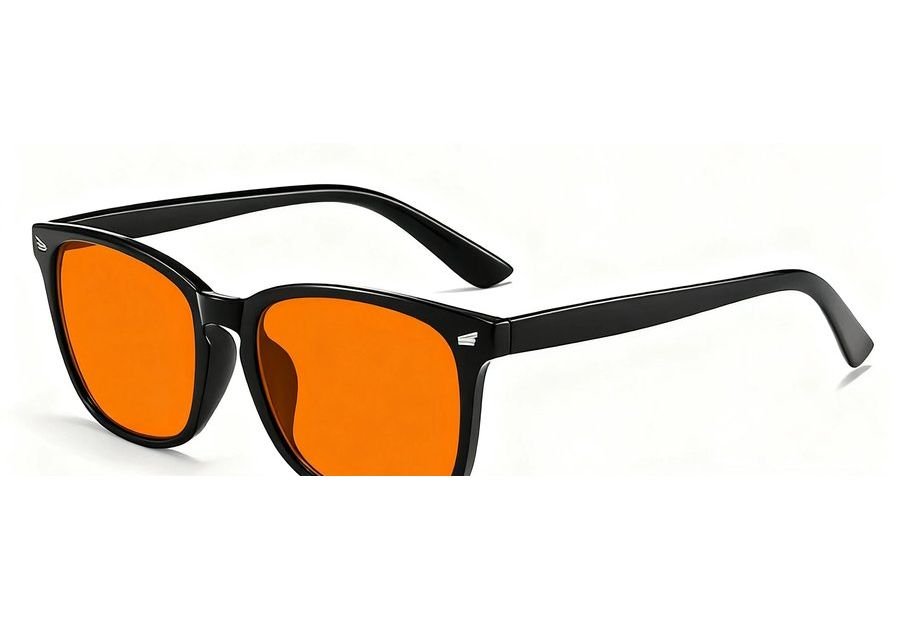
- Retro look with an orange lens: the Sunset Lens wayfarer
- Strongest tint we sell: the Red Lens round
- Streamers: the Browline, with a top bar that reads clearly on a webcam
How do you buy gaming glasses online without guessing?
Try frames at home before committing. Our Home Try-On sends up to four frames for seven days, free, so you can test each one under your own headset, at your own desk, in your own lighting.
If you would rather just order, delivery is free on UK orders over £20 (otherwise £5.99), and orders are dispatched within 48 hours. Every pair carries a 30-day money-back guarantee with free returns, so if the arms pinch or the tint is not for you, send them back.
If anything about your eyes worries you, book an eye test with an optician. Blue light glasses are a comfort and style choice that sits alongside regular eye tests rather than replacing them.
Frequently asked
Are blue light glasses worth it for gaming?
If you regularly play for several hours, many people find them worth it for comfort and style. The lenses filter blue light from screens and an anti-glare coating cuts reflections. They will not improve your aim or reaction times.
What lens colour is best for gaming?
Clear lenses are best for competitive games and streaming because colours stay accurate. Amber or orange lenses filter more blue light from screens and suit dim rooms and slower late-night games.
Can you wear glasses with a gaming headset?
Yes. Choose frames with slim, flat arms and spring hinges so the earcups do not press the arms into your head. Try both together for a full match before deciding.
Are cheap gaming glasses any good?
A well-made budget frame can do the job. The basic lens job is broadly similar across price points, so focus on fit, hinge quality and an anti-glare coating, and buy somewhere with free returns.
Can I get gaming glasses with my prescription?
Yes, our prescription range covers frames made up with your own lenses. Have a current prescription from your optician to hand when you order.
Do gaming glasses work for console as well as PC?
Yes. A TV is a screen like any other, so the same lenses filter blue light from it. The frame priorities shift slightly, since console players are less likely to wear a headset for hours.
Mentioned above
Frames from this guide
For Gamers & Gaming Culture
More from this topic
PC gaming glasses for long sessions: comfy picks
For long PC sessions, choose the frame first: light, with slim flat arms that sit under a headset and a bridge that.
Read For Gamers & Gaming CultureScreen glasses for gamers and streamers
Streamers need everything gamers need, plus a pair that looks right on camera. That means an anti-glare coating so your.
Read