FAQs, Care & Brand Comparisons
Are Specsavers blue light glasses worth it?
Quick answer
Specsavers-style optician chains are worth it when you need a sight test and prescription lenses made and fitted in person, with blue light filtering added as a lens option. If you do not need a prescription, a specialist non-prescription range usually gives more frame choice for less, so compare current prices and returns first.
What kind of retailer is Specsavers?
Specsavers is a national optician chain. Its core business is eye tests, dispensing and glazing prescription lenses into frames, with lens coatings and finishes offered as options on the order.
That makes it a different kind of shop from a specialist blue light glasses retailer. When you buy from an optician chain you are paying for a service as well as a product: someone checks your eyes, measures you, orders lenses to your prescription and fits the finished pair. The frame wall is the shop window, but the lens order is the heart of the sale.
Offers, lens options and prices at any optician chain change regularly and can vary between branches, so take anything you read second-hand, including here, as a starting point and check the retailer's own website or ask in store for today's details.
When does an optician chain make the most sense?
An optician chain makes the most sense if you need prescription lenses, want an in-person fitting, or like having a local branch to go back to. For many people those are exactly the things that matter.
If you already wear glasses for distance or reading, or you have noticed small print getting harder to read, a sight test comes first. At an optician chain you can do the test and order a pair with a blue light filtering option in one visit, which is genuinely convenient. Having somewhere to walk in for adjustments is also valuable if you are new to glasses.
- You need a sight test or an updated prescription
- You want lenses measured and fitted in person
- You like having a local branch for adjustments
- You want one pair that does everything
When might a specialist online range suit you better?
A specialist range often suits you better if you do not need a prescription, or if you want a particular frame shape. Non-prescription blue light glasses have flat lenses, so there is nothing to measure and no appointment to book.
Buying a plano pair through a prescription workflow can mean more process than the product needs. A specialist retailer also tends to carry a wider spread of shapes and colours, because frames are not limited by what fits on one branch's wall. Our clear non-prescription collection covers round, square, cat-eye and oversized styles, most under £30.
If you already have a current prescription, you do not have to buy lenses where you had your test. Our prescription-ready frames let you enter your values and pupillary distance, and we confirm every prescription by email before glazing.
What questions should you ask before you buy?
Ask exactly what is included in the price and what counts as an extra. With any optician or eyewear retailer, the frame price and the finished price can be different numbers once lenses and coatings are added.
Write the answers down so you can compare like for like with another retailer.
- Is the blue light filter included, or a paid lens option?
- Is an anti-glare coating included, or extra?
- Does the price cover one pair or a multi-pair offer?
- How long will the finished pair take?
- What is the returns or remake policy if you do not get on with them?
- Can I have a copy of my prescription and pupillary distance?
How do you compare the total cost fairly?
Compare the finished pair, not the frame. Add together the frame, the lens type, any blue light filter, any anti-glare coating and delivery, then set that against what another retailer charges for an equivalent pair.
For non-prescription pairs the comparison is simpler. Our prices are shown on each product page, delivery is free over £20 (otherwise £5.99), and non-prescription orders are dispatched within 48 hours. Every order carries a 30-day money-back guarantee with free returns. Check the equivalent details on Specsavers' own site on the day you are buying, since offers change.
Not sure which shape suits you? Our Home Try-On sends up to four frames for seven days, free, so you can compare them in your own mirror before ordering.
Can you get a test at an optician and buy elsewhere?
Yes. After a sight test the optician must give you a copy of your prescription, and it is yours to use wherever you like. Plenty of people get tested at an optician chain and then buy frames, or a second pair, somewhere else.
Ask for your pupillary distance too, because online retailers need it for prescription lenses and it is not always written on the slip. A common and sensible setup is a prescription pair for everyday use from wherever suits you, plus a cheaper non-prescription or reading pair for the desk. If anything about your eyes worries you, book an eye test with an optician.
How do lens options change the finished pair?
Lens options change both how the finished pair looks and what it costs, so decide which ones you actually need before you sit down at the dispensing desk. The main choices at most opticians are the lens material, thinner lenses for stronger prescriptions, a blue light filter and an anti-glare coating.
A clear blue light filtering lens looks close to an ordinary lens, with a faint warm cast against white and sometimes a blue-violet sheen in reflections. An anti-glare coating cuts reflections from lights and windows, which is the change most people notice first at a screen. Thinner, lighter lens materials mainly matter for stronger prescriptions. If your prescription is mild, or you do not need one, those upgrades may add cost without much visible difference.
- Blue light filter: faint warm cast, filters blue light from screens
- Anti-glare coating: cuts reflections from lights and windows
- Thinner lens materials: most useful for strong prescriptions
- Ask for each option to be priced separately
So, are they worth it?
They are worth it if you value the in-person service that comes with an optician chain. If you mainly want a stylish non-prescription pair that filters blue light from screens, you are likely paying for a service you do not need.
The fairest way to decide is to price your exact pair in both places and read both returns policies. For more straight answers, see our blue light glasses FAQs and care guide, our earlier post on cleaning and caring for your glasses, or browse the FAQs and brand comparisons hub.
Frequently asked
Does Specsavers sell blue light glasses?
Specsavers, like most optician chains, offers blue light filtering as a lens option that can be added to a glasses order. Check its website or ask in store for the current options and prices.
Can I get blue light glasses at Specsavers without a prescription?
Optician chains generally focus on prescription lenses, so ask your local branch whether they will glaze non-prescription lenses and what it costs. Non-prescription pairs are also widely available from specialist online retailers.
Is it cheaper to buy blue light glasses online or from an optician?
It depends on the pair. Compare the finished price including lenses, coatings and delivery, and check the returns policy in both places before deciding.
Can I use my Specsavers prescription to buy glasses online?
Yes. Your prescription belongs to you and the optician must give you a copy after a sight test. Ask for your pupillary distance as well, since online retailers need it.
What should I ask an optician about blue light lenses?
Ask whether the filter and an anti-glare coating are included or extra, how long the pair will take, and what happens if you do not get on with them.
Mentioned above
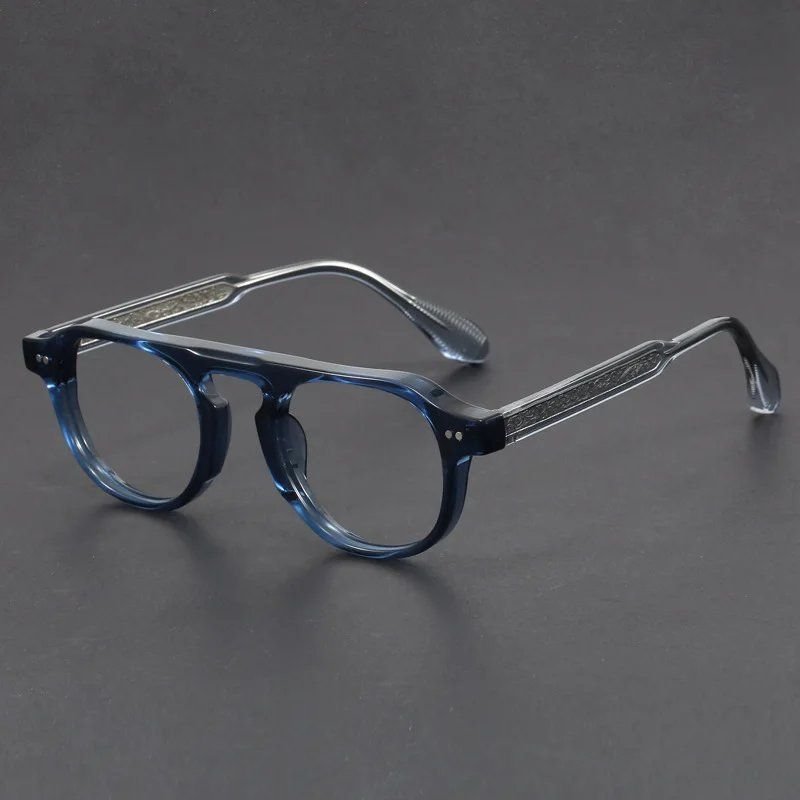
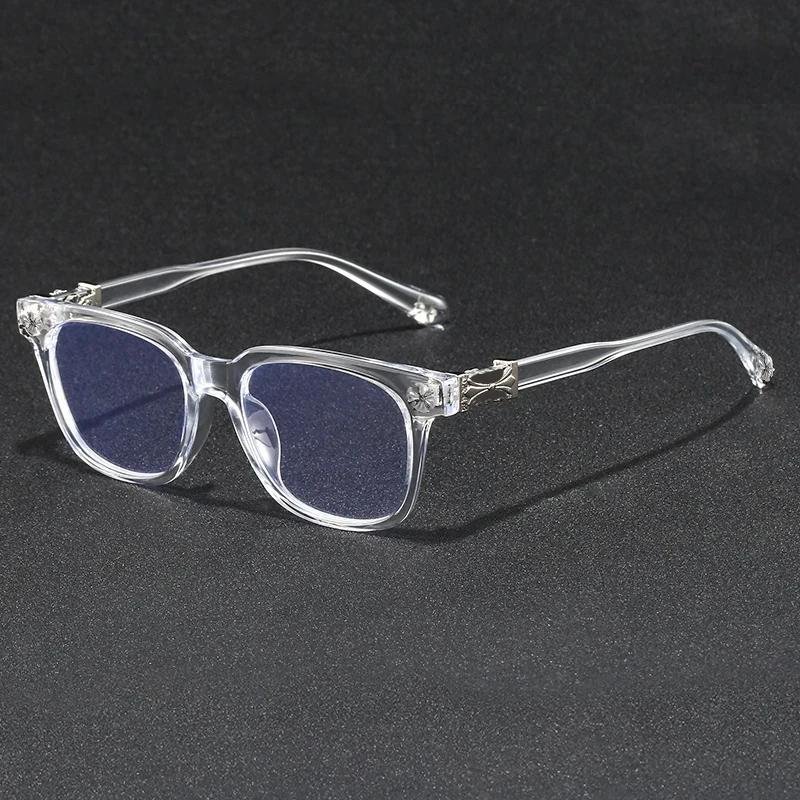
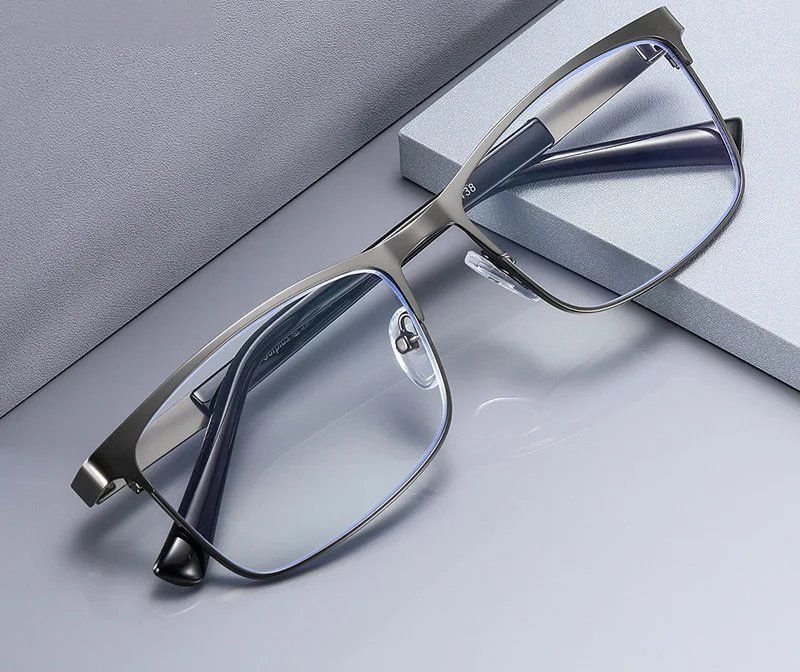
Frames from this guide
FAQs, Care & Brand Comparisons
More from this topic
How to clean and care for your glasses
Rinse your glasses under lukewarm running water, rub both lenses gently with a drop of washing-up liquid, rinse again.
Read FAQs, Care & Brand ComparisonsBoots blue light glasses: what is on offer
Boots operates as both an optician and a high street pharmacy retailer, so there are two routes: lens options.
Read