Buyer's Guide & Buying Advice
Best Blue Light Glasses UK: The Complete Buyer's Guide
Quick answer
The best blue light glasses in the UK are the pair that fits your face, feels light for all-day wear and carries a proper anti-reflective coating. The lenses filter part of the blue light from screens and cut glare, so choose on fit, weight and shape first, then style.
Right, let's sort this out. It is half four on a grey Leicester afternoon, the laptop still glowing, and you catch your own reflection in the dark strip at the edge of the screen: squinting slightly, frames nowhere in sight. I stood behind an optical counter for nine years watching people walk in wearing exactly that look, and the question was nearly always the same one. Which pair is actually worth buying?
Here is the honest version. The best blue light glasses UK shoppers can buy are not the ones with the boldest claims on the box. They are the ones that fit your face, suit your day, and do one plain job: filter a slice of the blue light coming off your screens and cut the glare that bounces back at you. That is the whole trick. A lens with a job, and a frame you will actually reach for.
I am Priya. I have fitted thousands of frames to real faces, from sixth-formers to grandparents, and the pattern rarely changes. People overspend on the claim and underthink the two things that matter. Let me save you that.
What blue light glasses do (and what they do not)
A blue light lens filters part of the blue-violet light your phone, laptop and television give off. Pair it with a decent anti-reflective coating and you also lose the mirror-glare from the window and the ceiling light. On screen, whites can read a touch warmer and softer. That is the lens function, said plainly. Most of us are on screens for a serious slice of the day, and Ofcom has the UK numbers to prove it, so a small comfort you are wearing anyway is worth getting right.
What they are not is a medical device. They will not replace an eye test, and they make no promise beyond the light and the look. Anyone selling them as more than that is selling you a story, not a pair of glasses.
How to choose the best blue light glasses UK-wide
Two things decide whether a pair gets worn or shoved in a drawer: the shape against your face, and the fit on your nose and ears. Get those right and everything else is taste.
Frame shape works on contrast. A round face gains definition from something with corners, so a rectangular or square frame does the work. A strong, square jaw softens behind a round or oval shape, or a gentle cat-eye. An oval face is the lucky one and carries almost anything. Do not agonise over it. Try the opposite of your face shape first and trust the mirror.
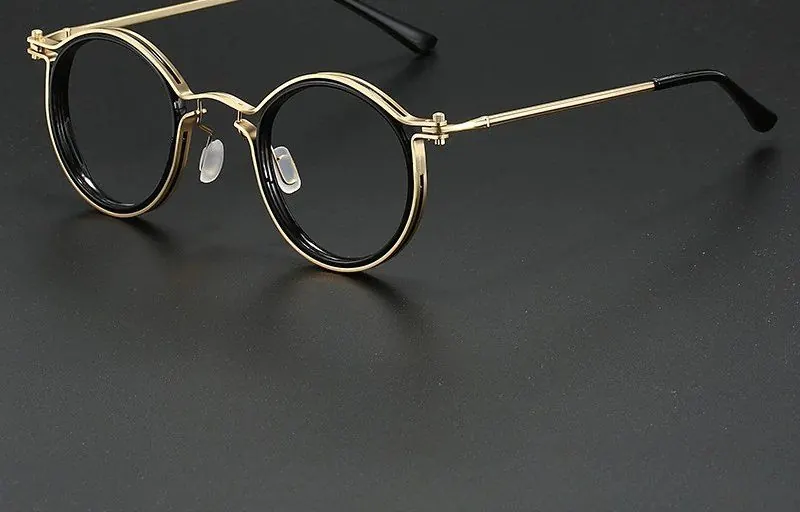
Then material. Acetate is the workhorse: warm, solid, and available in everything from flat black to a proper depth of tortoiseshell. Metal sits lighter and quieter on the face, often with adjustable nose pads. Here is the trade-off nobody mentions in the listing. A heavy frame you will notice by hour three, and a frame you notice is a frame you take off. If you are at a desk all day, weight beats looks.
Clear or tinted lenses
Most blue light glasses come with lenses that look clear and do the filtering through a coating. They are the easy everyday pick and the safe one for anything colour-sensitive, like editing photos. A tinted lens carries a visible amber warmth and filters a little more of the blue end. The honest catch: that warmth shifts how colours read, so whites lean cream. Lovely for a wind-down evening scroll, less ideal if you need true colour. Start clear. Move to tinted only if you find yourself wanting the warmth.
| Lens type | Look on the face | Screen effect | Best for |
|---|---|---|---|
| Clear with filter coating | Near clear, everyday | Keeps colours true, cuts glare | Office work, photo editing, video calls |
| Light amber tint | Subtle warmth | Slightly warmer whites, a little more blue filtered | Evening browsing, mixed use |
| Amber tint | Visible warm tint | Warmer, softer picture, colours shift | Late-night screen time, dim rooms |
Getting the fit right
Even a gorgeous frame fails on a bad fit. Run this quick check:
- The bridge should sit on your nose without pinching or sliding. Too wide and it drifts down all day.
- The arms should reach past your ears and curve gently, never dig in.
- The frame width should roughly match your face, so nothing wobbles when you turn your head.
- Your lashes should not brush the lens.
Buying online, the trick is to copy the three numbers printed inside a pair you already like (lens width, bridge, arm length) and match them. It is the closest thing to trying before you buy, and consumer champion Which? has level-headed general guidance on choosing frames too.
Look after them and they last: rinse under cool water, a drop of washing-up liquid on greasy days, then a clean microfibre cloth. Never a shirt hem or a paper towel, both scratch.
One memorable rule from behind the counter: the pair you forget you are wearing is the pair you have chosen well.
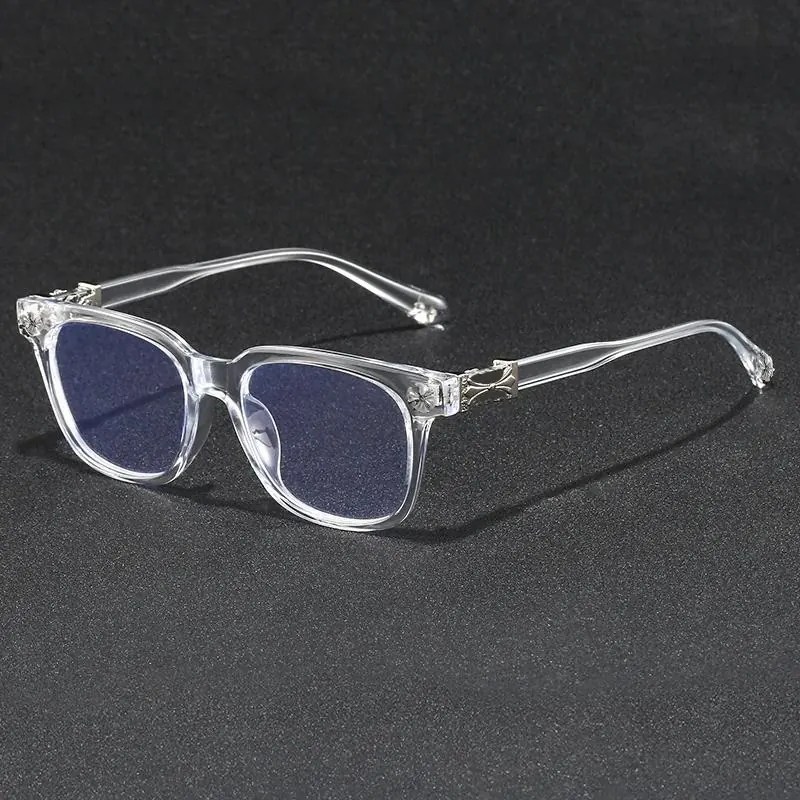
If you want to go deeper on shape, my frame shapes and face shapes guide walks through every face type, and the FAQs and care guide covers cleaning and sizing in detail. When you are ready to browse, the full blue light glasses collection sits in one place, and a simple, goes-with-everything option like the Crystal Clear frames is a sensible first pair.
FAQs
What should I look for in the best blue light glasses UK sellers offer? A frame that fits your face and feels light for long wear, a lens with a blue light filter and anti-reflective coating, and a shape you genuinely like. Fit and weight matter more than any number on the packaging.
Are clear or tinted lenses better? Clear lenses suit most people and keep colours true. Tinted lenses add a warmer look and filter a little more blue light, but they shift how colours appear, so they are better for casual evening screen time than colour-critical work.
How do I get the right size when buying online? Find a pair of glasses you already wear comfortably and read the three numbers on the inside arm: lens width, bridge width and arm length in millimetres. Match those to the product measurements and you will be close.
Do blue light glasses actually work? They do the job they are built for: the lens filters a slice of the blue light from screens and the coating cuts glare, so the picture looks slightly warmer and cleaner. What they do not do is treat or prevent anything, and any bigger promise on a box is marketing.
About the author Priya Sundaram - Turning screen fatigue into frame confidence Priya spent nine years as an optical dispensing assistant on a busy Leicester high street before moving into ecommerce content, so she has fitted thousands of frames to real faces. She now writes full-time about eyewear and spends her evenings testing new styles on her long-suffering family. She still can't walk past a mirror without adjusting someone's glasses. Writing for The Blue Light Glasses Co..
Frequently asked
What are the best blue light glasses in the UK?
The best pair is the one you stop noticing: light, well fitted and finished with an anti-glare coating. Frame shape and weight matter far more than any filtering figure on the box, because those decide whether you still want them on at 4pm.
How much should I spend on blue light glasses?
Around £10 to £25 covers most people. Above roughly £20 you are buying better hinges, a lighter material and a nicer finish rather than a different lens - filtering and anti-glare are inexpensive across the whole market.
Where is the best place to buy blue light glasses in the UK?
Online specialists carry the widest choice of shapes and the clearest information. High street opticians are the right route if you need a prescription pair, and fashion retailers are useful only for testing a shape cheaply.
How do I know if glasses actually have a blue light filter?
Hold the lens against white paper on a bright screen. A filtering lens casts a faint warm tone against the white. Separately, a coated lens reflects a faint green or purple sheen under a light rather than a plain white mirror.
Mentioned above
Frames from this guide
Buyer's Guide & Buying Advice
Keep reading
Deeper guides in this topic, with new ones publishing every Monday, Wednesday and Friday.